

Introduction
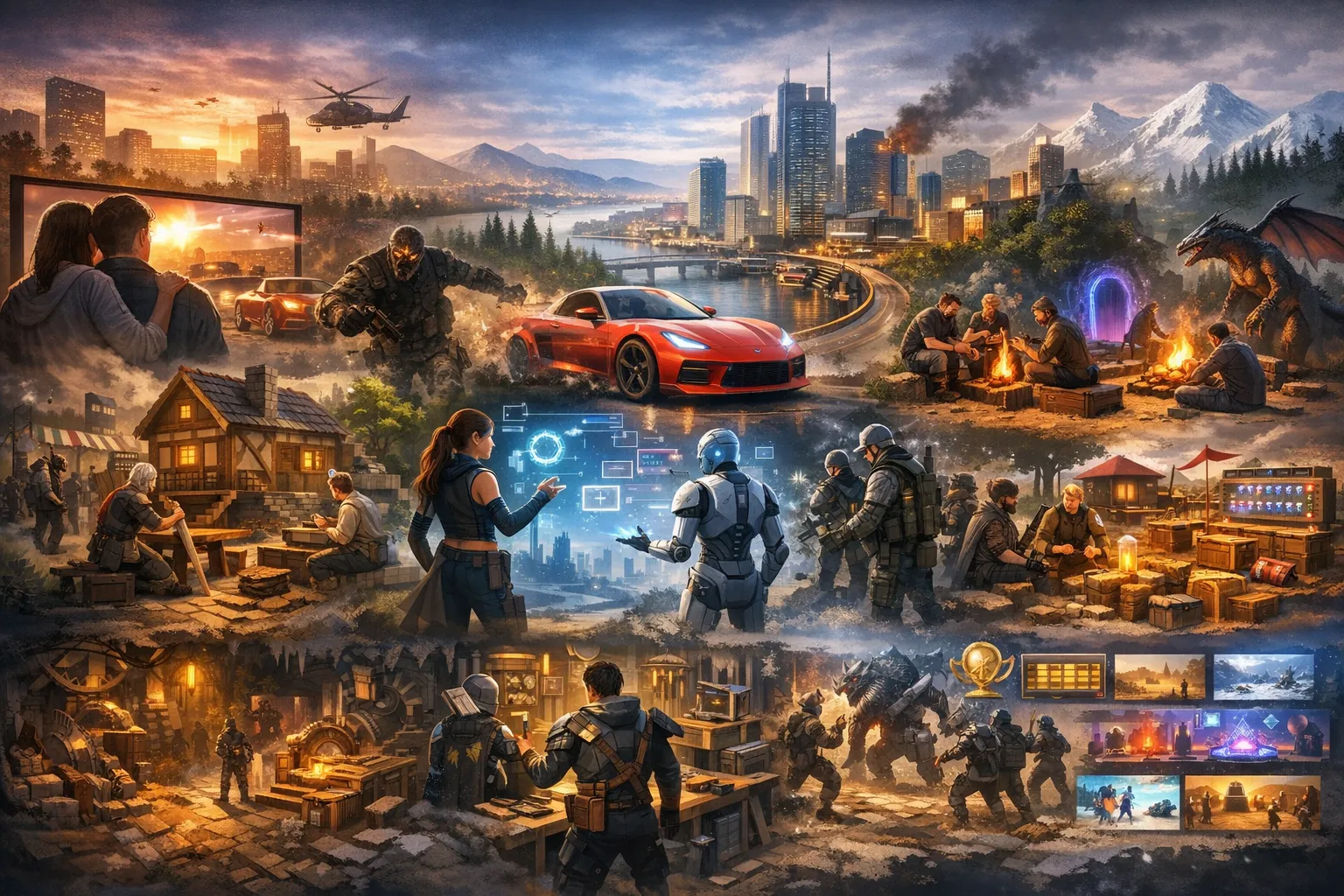
The gaming landscape in 2026 is not defined by a single genre or platform—it is defined by systems, scale, and player-driven ecosystems. Unlike previous years, where success was measured by sales alone, the top games of 2026 are those that create long-term engagement through evolving worlds, community interaction, and continuous updates.
From massive open-world experiences like Grand Theft Auto VI to AI-driven simulations and sandbox platforms, the industry has shifted toward persistent experiences rather than one-time gameplay.
This article explores the top games of 2026 through a structured timeline approach—analyzing how players engage with these games from first launch to long-term mastery, following a format similar to modern analytical gaming blogs.
The Explosion of Anticipation: Pre-Launch Hype Culture
Before a game is even released, it can dominate the industry.
In 2026, titles like Grand Theft Auto VI have proven that anticipation itself is a form of engagement. Massive trailers, speculation, and community theories create a pre-launch ecosystem where players are already invested.
Why hype matters
- Builds global awareness
- Creates emotional investment
- Drives early adoption
Key insight
Some games in 2026 succeed before release due to cultural momentum.
Launch Impact: The First 48 Hours That Define Success
The launch window is critical.
Games like Resident Evil Requiem became top sellers immediately after release, outperforming previous entries significantly.
What defines a strong launch
- Stable performance
- Strong first impressions
- Content completeness
Common failure
Technical issues can destroy momentum instantly.
Early Player Retention and First Impressions
The first few hours determine long-term success.
Modern games focus on:
- Fast onboarding
- Clear progression systems
- Immediate rewards
Retention loop
Players stay when they feel progress quickly.
Key metric
Retention within the first 2–3 hours is crucial.
The Rise of Player-Driven Systems
2026 marks a shift toward player-created experiences.
Games like Hytale demonstrate how creativity drives engagement, allowing players to build, modify, and expand the game world themselves.
Core features
- Modding tools
- Sandbox mechanics
- Community-generated content
Impact
Players become creators, not just consumers.
AI Integration and Dynamic Gameplay
Artificial intelligence is transforming gameplay.
Top games in 2026 use AI for:
- Adaptive difficulty
- Dynamic storytelling
- Real-time decision systems
Example trend
AI-driven narrative branching allows unique player experiences.
Result
No two playthroughs feel the same.
The Evolution of Open-World Design
Open-world games in 2026 are bigger—but also smarter.
Instead of empty spaces, modern worlds feature:
- Dynamic events
- Reactive NPCs
- Persistent environments
Key improvement
Worlds respond to player actions.
Example
Massive titles like GTA VI aim to create living cities rather than static maps.
Multiplayer Ecosystems and Social Gameplay
Multiplayer is no longer just competition—it’s social interaction.
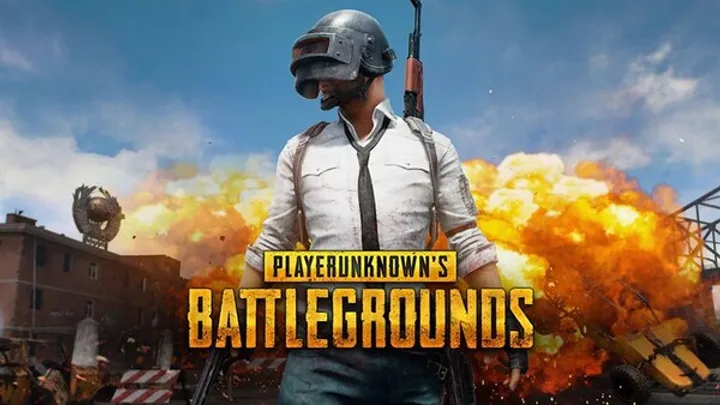
Some games show unexpected player behavior, where cooperation replaces conflict, even in competitive environments.
New multiplayer trends
- Social spaces
- Cooperative gameplay
- Player-driven events
Insight
Players seek connection, not just competition.
Monetization Without Friction
2026 players reject aggressive monetization.
Successful games now focus on:
- Cosmetic-only purchases
- Expansion-based content
- Fair progression systems
Why this works
Players trust games that respect their time and money.
Result
Higher long-term engagement.
Mid-Game Complexity and System Depth
As players progress, complexity increases.
Top games introduce:
- Advanced mechanics
- Deeper customization
- Strategic decision-making
Player evolution
Casual players become advanced users.
Key factor
Depth keeps players engaged long-term.
Endgame and Long-Term Sustainability
The final stage is not the end—it’s the beginning of long-term play.
Games in 2026 focus on:
- Endgame systems
- Seasonal updates
- Community events
Sustainability model
Games evolve continuously rather than ending.
Example trend
“Game-as-a-platform” replaces traditional game design.
Conclusion
The top games of 2026 represent a fundamental shift in how games are designed and experienced. They are no longer just products—they are living systems that grow with their players.
From massive open-world titles like GTA VI to AI-driven simulations and sandbox platforms, the industry is moving toward deeper engagement, player creativity, and long-term ecosystems.
Understanding these trends helps explain not only which games are popular—but why they dominate. The future of gaming is not about playing a game once—it’s about living inside it.